Easy to Grow
Cnidoscolus aconitifolius
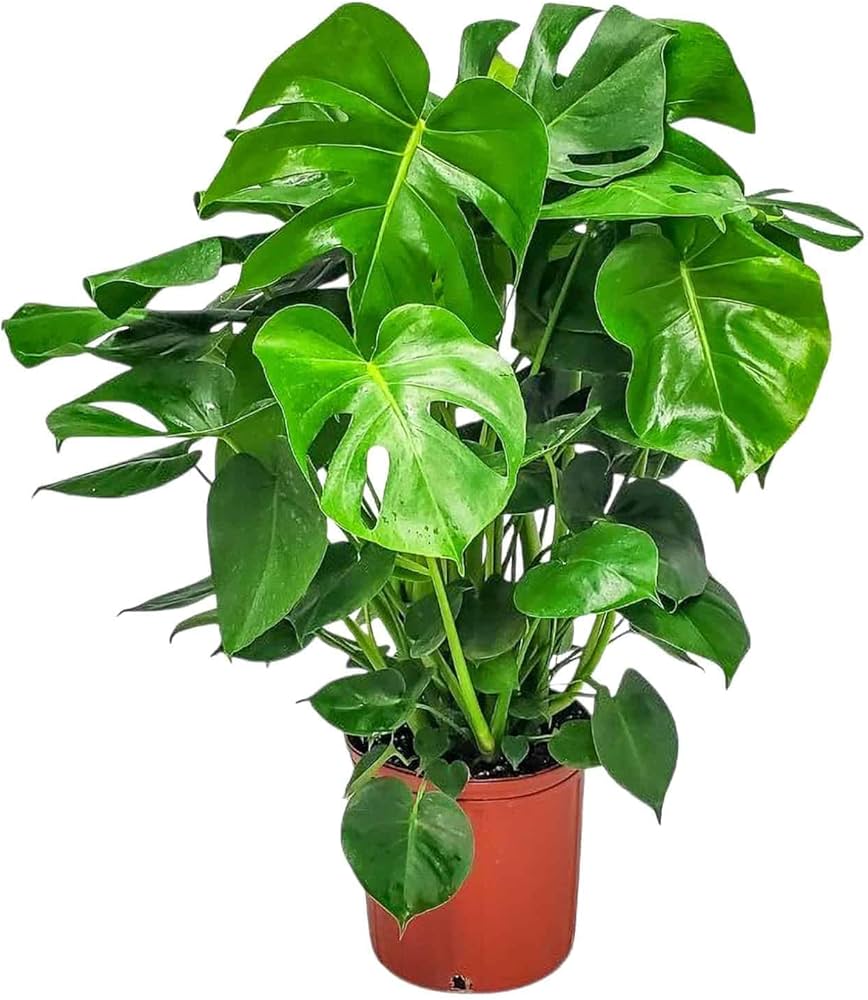
The iconic Swiss Cheese Plant — beloved worldwide for its dramatic split leaves and effortless tropical elegance. Equally at home indoors or in a shaded tropical garden, Monstera is the perfect statement plant for any space.
Monstera deliciosa, the Swiss Cheese Plant, is one of the world's most recognizable tropical plants. Native to the tropical rainforests of southern Mexico and Central America, it is a climbing aroid that uses aerial roots to ascend trees in its natural habitat. The characteristic holes and splits in the leaves (technically called fenestrations) develop as the plant matures — juvenile leaves are solid and heart-shaped. The fenestrations are believed to help the leaves withstand strong winds and allow light to reach lower leaves. In Mérida's climate, Monstera thrives outdoors in shaded or partially shaded areas and can grow to impressive sizes. Indoors, it adapts beautifully to bright indirect light. The plant occasionally produces an edible fruit (the 'deliciosa' in its name) that tastes like a combination of pineapple and banana — though this requires a very mature plant and takes over a year to ripen.
Monstera prefers bright indirect light but is one of the most adaptable plants when it comes to light conditions. Indoors, place near a window with filtered light — avoid direct sun on the leaves which causes bleaching and burn. Outdoors in Mérida, plant in dappled shade under trees or on a covered patio. In lower light, the plant will still grow but more slowly and with fewer fenestrations. The dramatic leaf splits only develop fully in adequate light.
Allow the top 2–3 inches of soil to dry out between waterings. Monstera is susceptible to root rot if kept consistently wet. In Mérida's climate, this typically means watering every 5–7 days indoors and every 3–5 days outdoors in the dry season. During the rainy season, reduce watering significantly. Water thoroughly until it drains from the bottom, then wait until the soil is partially dry again. Yellow leaves are the most common sign of overwatering.
Well-draining potting mix is essential. A standard tropical potting mix with added perlite (20–30%) works well. Alternatively, mix equal parts potting soil, perlite, and orchid bark for excellent drainage and aeration. Monstera prefers slightly acidic to neutral soil (pH 5.5–7.0). In outdoor garden beds in Mérida, amend the native limestone soil with organic matter and ensure good drainage.
Feed monthly during the growing season (spring through summer) with a balanced liquid fertilizer diluted to half strength. In fall and winter, reduce feeding to every 6–8 weeks. Monstera responds well to organic fertilizers — fish emulsion and seaweed extract promote lush, healthy growth. Avoid over-fertilizing, which can cause salt buildup in the soil and brown leaf tips.
Monstera requires minimal pruning. Remove yellowing or damaged leaves at the base of the stem. If the plant becomes too large, cut stems back to a node — the plant will branch from that point. Aerial roots can be directed into a moss pole for support, or trimmed if they become unruly. Pruning is best done in spring or early summer. Wear gloves when handling cut stems as the sap can irritate skin.
Monstera is relatively pest-resistant but can be affected by: Spider mites (most common in dry conditions — increase humidity and use neem oil), Mealybugs (treat with neem oil or rubbing alcohol), Scale insects (scrape off manually, treat with neem oil), Thrips (use insecticidal soap). Regularly wiping leaves with a damp cloth removes dust and deters pests while keeping the dramatic leaves looking their best.
Monstera is easily propagated from stem cuttings. Cut a stem section just below a node (the point where a leaf meets the stem) with at least one aerial root. Place in water or moist sphagnum moss until roots develop (4–8 weeks). Once roots are 5–10 cm long, pot in well-draining soil. Alternatively, air-layering is highly effective for larger plants — wrap a node with moist sphagnum moss, cover with plastic wrap, and wait for roots to develop before cutting.
The name 'deliciosa' refers to the edible fruit the plant produces — a combination of pineapple and banana flavors. However, the fruit takes 12–14 months to ripen fully, and unripe fruit contains calcium oxalate crystals that cause intense mouth irritation. Monstera has been a design icon since the 1950s and remains one of the most photographed plants on social media. In its native Mexican rainforests, Monstera can climb trees to heights of 20 meters or more. The aerial roots were traditionally used by indigenous peoples to make baskets and rope.
At-a-glance care specs
Light
Bright indirect light
Water
Moderate — allow top soil to dry between waterings
Temperature
65°F – 85°F (18°C – 29°C)
Humidity
High humidity preferred
Soil
Well-draining potting mix with perlite
Mature Size
6–10 feet indoors, 30+ feet outdoors
Growth Rate
Moderate
Origin
Southern Mexico and Central America
Difficulty
🌱 Easy to Grow0 items